Arizona's STR Market Right Now: What Owners Need to Know
Arizona has been one of the most active short-term rental markets in the country for years — and the current market offers both continued opportunity and meaningful headwinds that every host should understand.
This article breaks down the state of demand across Arizona's key markets, what's driving it, what's creating risk, and how to position your property to outperform. For a market-by-market view of where we operate, our service areas page is a useful companion.
The Phoenix Metro: Still Strong, More Competitive
The greater Phoenix metro — including Scottsdale, Tempe, Chandler, and Mesa — remains one of the most active STR markets in the country. Key demand drivers:
- Year-round warm weather attracts travelers escaping northern winters
- Spring Training (March) drives massive short-term spikes across Maricopa County
- Corporate travel and conferences — Scottsdale hosts significant business events
- Golf tourism — Scottsdale and North Phoenix attract high-spending golf travelers
What's changing: Supply has grown substantially over the past several years. As more listings have come online, occupancy has softened from the pandemic-era highs, and undifferentiated listings are feeling the squeeze the most.
What this means for owners: A well-optimized listing still performs very well. An average listing is getting squeezed. Differentiation — through better photos, stronger reviews, smarter pricing, and targeted amenities — matters more than ever. If you own in the area, our guides to Airbnb management in Phoenix and Scottsdale go deeper on each submarket.
Sedona: Premium Demand, Regulatory Pressure
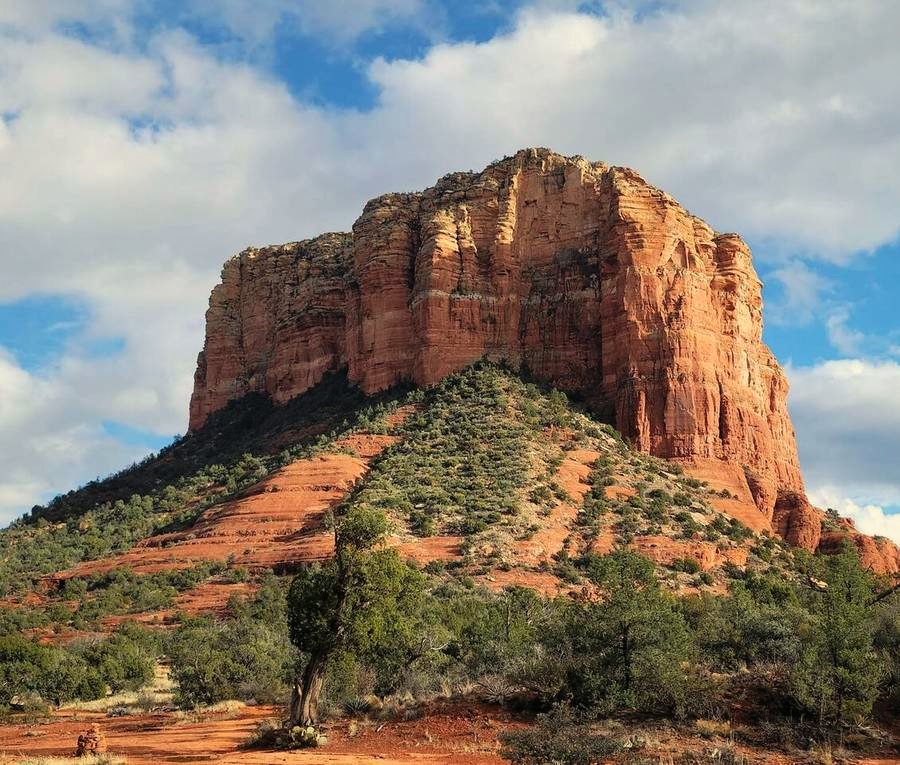
Sedona remains a premium STR market with strong demand from visitors seeking the area's iconic red rock scenery, hiking, and wellness experiences.
Average nightly rates in Sedona are among the highest in Arizona, and occupancy for well-positioned properties tends to hold up well — particularly in the spring and fall shoulder seasons.
The challenge: Sedona runs one of the more detailed short-term rental programs in Arizona, including a city permit for every rental unit, a ban on special events, and guest background checks. Any owner operating in Sedona should verify their current permit status and stay current on the City of Sedona's short-term rental rules. Our Sedona Airbnb management page covers what local compliance looks like in practice.
Tucson: An Underrated Market
Tucson often gets overlooked in Arizona STR conversations — but it represents a genuine opportunity for the right property.
- University of Arizona drives significant short-term demand during events, move-in weekends, and game days
- The arts and food scene has grown considerably, attracting weekend leisure travelers
- Supply is lower than Phoenix or Scottsdale, meaning less competition for well-positioned listings
- Average rates are lower than Scottsdale, but so are acquisition costs
If you're considering a new STR investment in Arizona, Tucson's risk-to-opportunity ratio deserves a serious look.
Regulatory Environment: What to Watch
Arizona has generally been more STR-friendly than other states — state law (A.R.S. § 9-500.39) says cities may not prohibit short-term rentals. However, several developments are worth monitoring:
- City permits and licenses: since 2022, cities may require one, and Phoenix, Scottsdale, Sedona, Tempe, Mesa and Chandler all do (as of October 2026)
- Noise and nuisance ordinances are being enforced more actively in residential neighborhoods
- HOA restrictions — if your property is in an HOA, review your CC&Rs carefully. The state law limits what cities can do; it is not a rule about homeowners associations, so HOA restrictions may still be enforceable
If you're operating without verifying compliance in your specific municipality, you're taking on risk. For a city-by-city walkthrough of permits and taxes, see our guide to Arizona short-term rental laws.
Benchmarking Your Arizona Property
Nightly rates and occupancy vary widely between Scottsdale, Sedona, Phoenix and Tucson, and within each market by property type, location and season, so we don't publish a single average for any of them. To judge your own property, compare it against a set of genuinely similar listings nearby: same bedroom count, similar amenities and quality, same neighborhood. Market-data tools such as AirDNA can help you build that comparison set, and our Airbnb revenue calculator gives a quick starting estimate.
How to Position for Outperformance
The properties that outperform in Arizona's increasingly competitive market share a few characteristics:
- Professional photography — the baseline expectation has risen, and strong listing optimization is now table stakes
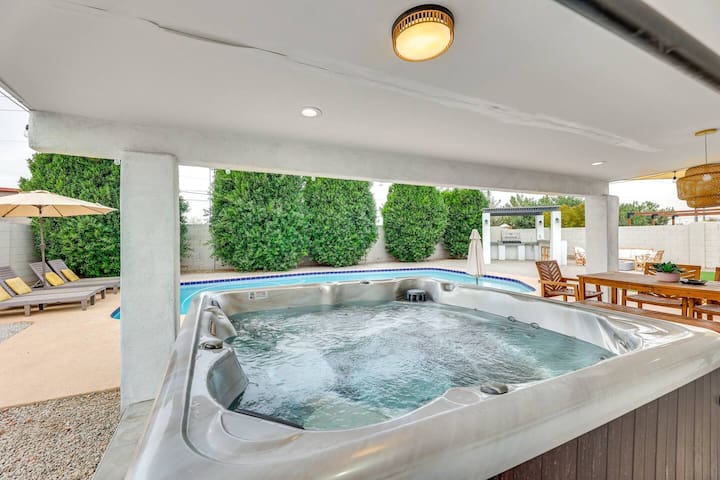
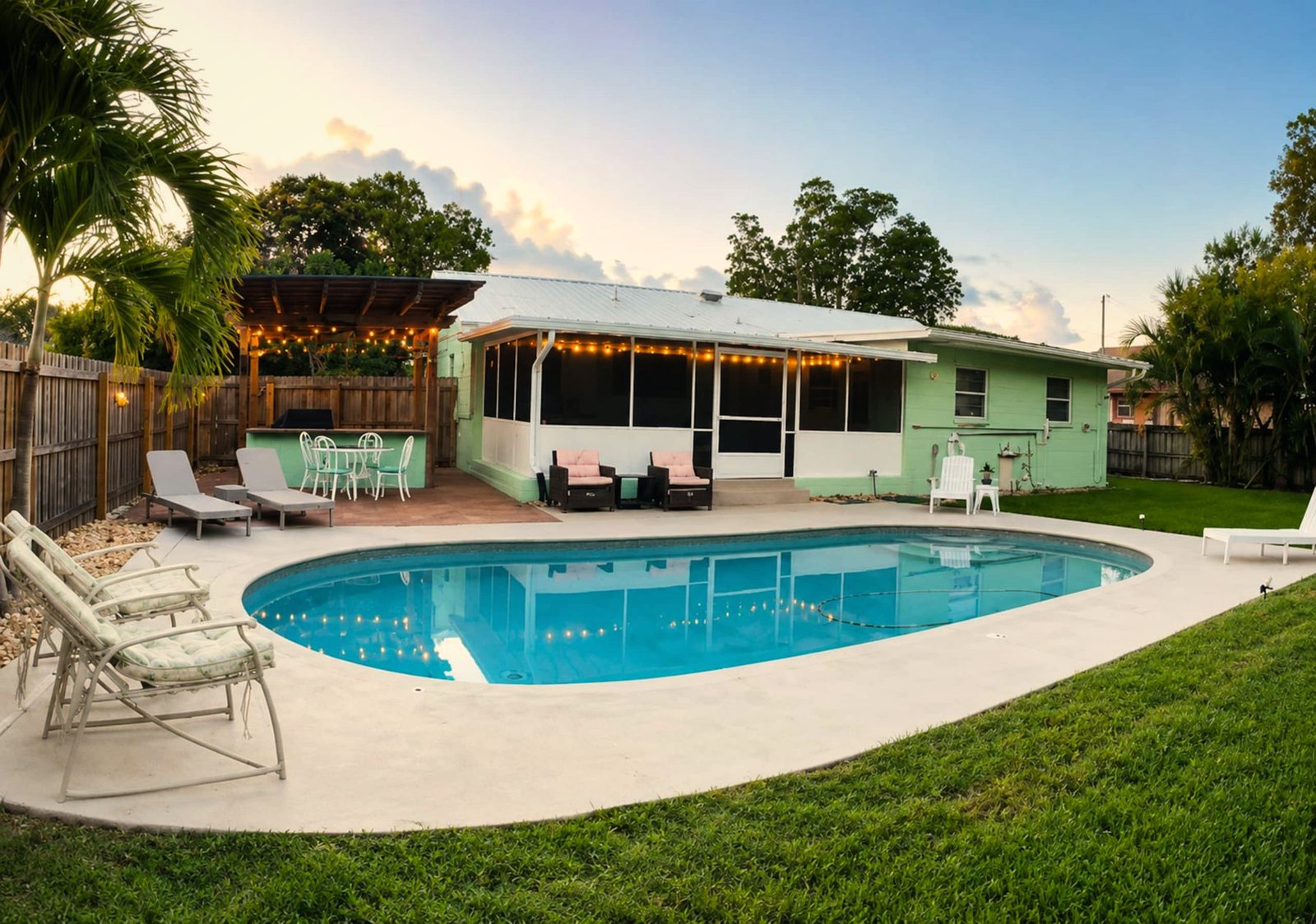
- Amenities that match the target guest — a pool and outdoor living space for leisure travelers; fast Wi-Fi and a dedicated workspace for remote workers
- Strong review velocity — new listings need to prioritize getting to 20+ reviews quickly
- Smart pricing — properties using dynamic pricing consistently outperform those on flat rates
The market has matured. The easy wins of the 2020–2022 boom are gone. But the opportunity for well-run properties remains significant — and the gap between an optimized listing and an average one is wider than ever.
If you'd like a market-specific analysis of your property's performance potential, contact us here — or explore our full-service Airbnb management to see how we'd run it.